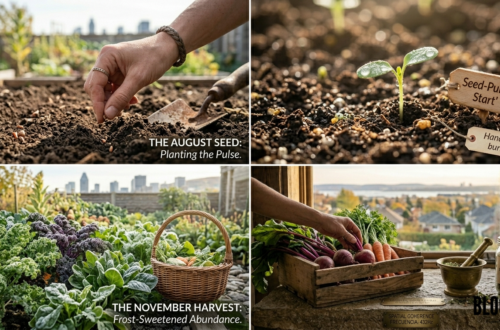
Planning is the key to a successful, high-yield garden. Knowing what to plant and, just as importantly, when to plant it, is the single biggest factor in maximizing your harvest. A common mistake for new gardeners is trying to plant everything at once. By understanding the natural cycles of different crops, you can ensure your Urban Oasis is productive from the last frost of spring through the first snow of winter.
At Bloohome, we’ve designed this month-by-month guide to help you build a highly productive, sustainable garden that provides fresh, organic food all year long. This calendar is a generalized guide, so always check your local hardiness zone (e.g., Montreal is in Zone 5b/6a), but the sequence and strategies will serve you well.
The Core Concept: Succession Planting and Hardiness
The secret to a year-round harvest isn’t about planting everything in May. It’s about using three types of crops:
- Cool-Season Crops: Can tolerate frost and prefer temperatures below 70°F (21°C) (e.g., Lettuce, Kale, Peas).
- Warm-Season Crops: Need frost-free weather and consistent heat (e.g., Tomatoes, Peppers, Melons).
- Winter/Fall Crops: Plplanted in late summer to mature as cool weather arrives, or overwintered for an early spring start.
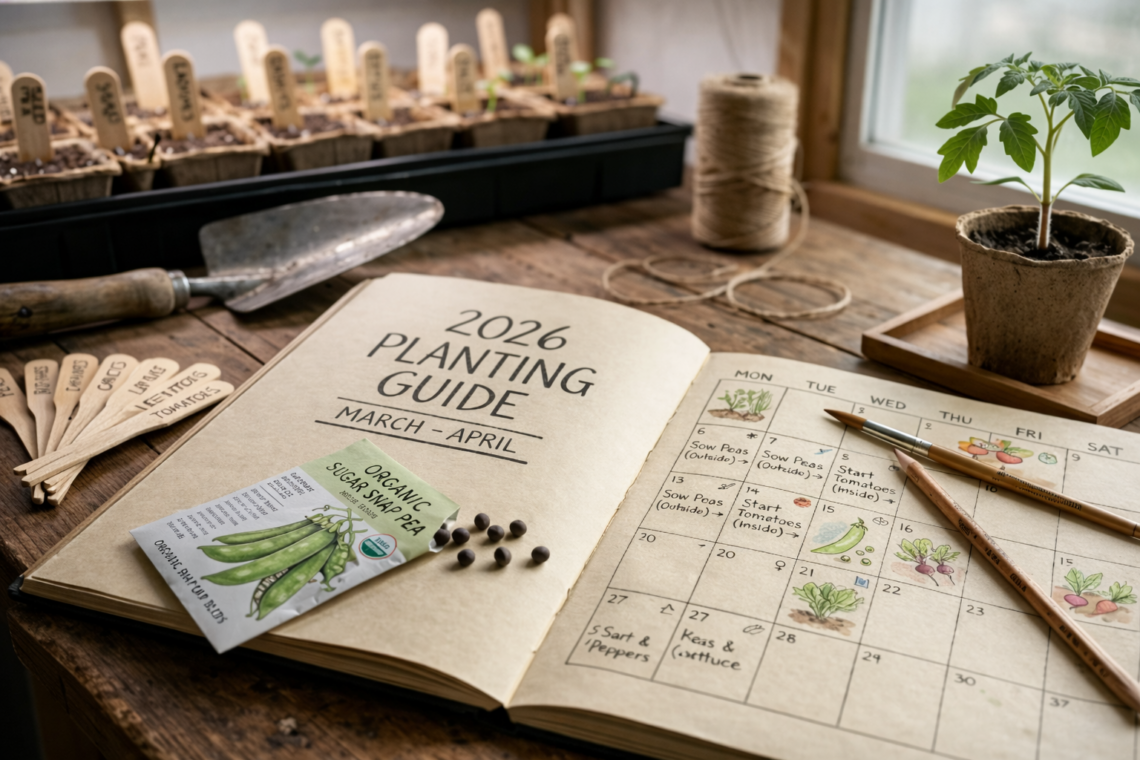
1. Early Spring (March – April)
This is the season of anticipation. While the ground may still be cold, it’s time to start preparing and getting the first seeds in the ground.
Inside (Seed Starting)
Start these heat-loving, long-season crops indoors under grow lights or in a sunny window to get a head start.
- Tomatoes & Peppers: These need 6–8 weeks inside before the last frost.
- Eggplant: A slow starter, eggplant needs heat.
- Basil (for your Home Apothecary): Grow basil inside for an early harvest and companion plant.
Outside (Direct Sowing)
As soon as the soil is workable (i.e., not a ball of mud), direct sow frost-tolerant cool-season crops.
- Peas (Shelling, Snap, & Snow): Plant them as early as possible on a trellis.
- Lettuce, Spinach, and Kale: These “Greens” can handle light frost.
- Radishes & Carrots: These fast-growing root crops appreciate the cool ground.
- Onion Sets: Push these into the soil for early green onions.
2. Late Spring (May – June)
The rush is on! The goal is to maximize the short growing window for warm-season crops. This is the time for a big visual shift in your garden.
Inside (Last Seed Starts)
- Cucumbers, Squash, and Melons: These fast-growers only need 3–4 weeks inside. Starting them indoors helps them beat pests.
- Herbs (Holy Basil/Tulsi, Rosemary): Get a few extra plants started for your Home Apothecary.
Outside (Transplanting and Direct Sowing)
This is the big moment. Do not transplant warm-season crops until after all danger of frost has passed and the soil has warmed up.
- TRANSPLANT: Tomatoes, Peppers, Eggplant, and your pre-started Cucumbers and Melons.
- DIRECT SOW:
- Bush and Pole Beans: Plant a new round of bush beans every 2 weeks for continuous harvest.
- Zucchini & Summer Squash: Plant them now for a July harvest.
- Corn: Plant in a block pattern to ensure good pollination.
- Pumpkins & Winter Squash: These need a long, warm season to mature.
3. Summer (July – August)
Summer is about maintaining your warm-season crops and thinking ahead to fall. The biggest challenge is water and heat stress.
Outside (Maintenance and Successional Planting)
- Maintenance: Focus on watering, mulching, and checking for pests. Prune your tomatoes and support heavy fruits.
- Successional Planting:
- July: Direct sow a second round of Zucchini and Cucumbers. This will ensure you have fresh produce after your first plants are spent.
- Late July / August: Re-sow cool-season “Greens” like Lettuce, Spinach, and Kale. They will grow into the fall as temperatures cool.
- Beets & Carrots: Plant these root crops now for an autumnal harvest.
4. Fall (September – October)
The season of abundance. You will be harvesting the fruits of your labor, but you are also setting up the “overwintering” stage of your garden.
Inside
- Start thinking about bringing your sensitive Home Apothecary herbs (like Lemon Balm or Rosemary) inside for the winter.
Outside (Fall Planting)
- Direct Sow for Winter Harvest: Focus on very hardy greens like Kale, Mâche (Corn Salad), and Arugula. With a row cover, these can last deep into winter.
- Garlic: This is the most crucial fall planting task. Plant garlic cloves 2 inches deep in October (before the ground freezes) for a harvest next July.
- Plant Trees and Shrubs: Fall is the best time for planting fruit trees and perennial berry bushes.
5. Winter (November – February)
The “planning” phase returns. Use this time for reflection and preparation.
Inside (Plan and Prepare)
- Review Your Journal: What worked? What failed? Which tomato variety was the best?
- Seed Catalog Shopping: This is the fun part! Order your seeds for the coming year. Focus on unique varieties for your Inspired Spaces.
- Plan Your Layout: Use grid paper to plan your garden beds, making sure to practice crop rotation to prevent disease.
- Tool Maintenance: Clean and sharpen your tools. Build new raised beds or compost systems, illustrating your commitment to Sustainable Living.
Conclusion: A Garden for All Seasons
A year-round garden is an achievable goal, and it starts with this 2026 Planting Calendar. It is a promise that, no matter the weather, your Bloohome garden will always have a purpose, offering you fresh food, natural remedies, and a restorative connection to the earth.