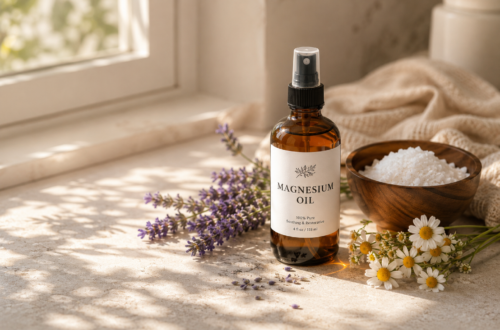
In the fast-paced rhythm of modern life, women often carry a heavy load, balancing career, family, and personal growth. This constant juggling can lead to two of the most common physical manifestations of stress: anxiety and digestive issues. While modern medicine has its place, there is a profound power in returning to the earth for healing.
Creating a “Home Apothecary” doesn’t require a pharmacy license; it starts with a few pots on a windowsill or a small corner of your garden. Cultivating your own medicinal herbs ensures you have access to fresh, organic, and potent remedies right at your fingertips. Here are the seven essential herbs every woman should grow to soothe the mind and support the gut.
1. Lavender (Lavandula angustifolia): The Queen of Calm
Lavender is perhaps the most iconic herb for stress relief. Its scent alone has been scientifically proven to lower cortisol levels and heart rate. For women, lavender is a versatile ally—helping to ease tension headaches and promote restorative sleep.
- How to Grow: Lavender loves full sun and well-drained soil. If you are in a cooler climate like Montreal, ensure it has protection from harsh winds.
- Apothecary Use: Dry the flower buds to create a nighttime tea or sew them into a small fabric sachet to place under your pillow for insomnia relief.
2. Peppermint (Mentha piperita): The Digestive Powerhouse
If you suffer from bloating, indigestion, or IBS, peppermint is your best friend. The menthol in the leaves acts as an antispasmodic, relaxing the muscles of the digestive tract and allowing gas to pass more easily.
- How to Grow: Warning—peppermint is invasive! Always grow it in a dedicated pot or container to prevent it from taking over your garden. It thrives in partial shade and moist soil.
- Apothecary Use: Steep fresh leaves in hot water for 5-10 minutes after a heavy meal to quickly soothe an upset stomach.
3. Chamomile (Matricaria chamomilla): The Gentle Healer
Chamomile is often thought of as a “sleepy tea,” but it is also a powerful digestive anti-inflammatory. It contains apigenin, an antioxidant that binds to certain receptors in your brain that may promote sleepiness and reduce anxiety.
- How to Grow: Chamomile looks like tiny daisies and grows easily from seed. It prefers full sun and can handle slightly poor soil.
- Apothecary Use: Use the dried flower heads for a gentle tea. It’s safe enough for children and effective enough for the most stressful workdays.
4. Lemon Balm (Melissa officinalis): The “Glint of Sunshine”
A member of the mint family, Lemon Balm has been used since the Middle Ages to reduce stress and improve appetite. It is unique because it helps with both stress and digestion simultaneously, making it perfect for “nervous stomach” sufferers.
- How to Grow: Like peppermint, it is easy to grow in pots. It has a beautiful lemony scent that brightens up any urban oasis.
- Apothecary Use: Fresh lemon balm leaves make a delicious, uplifting cold infusion in the summer or a cozy hot tea in the winter.
5. Ginger (Zingiber officinale): The Warmth of Wellness
While technically a rhizome (root), ginger is a staple in the home apothecary. It is the gold standard for treating nausea, morning sickness, and sluggish digestion. It also has anti-inflammatory properties that can help with menstrual cramps.
- How to Grow: You can grow ginger indoors in a wide, shallow pot. It loves warmth and humidity. Simply plant a piece of organic ginger root from the store with “eyes” facing up.
- Apothecary Use: Grate fresh ginger into hot water with a slice of lemon for a powerful morning tonic that “wakes up” your digestive system.
6. Rosemary (Salvia rosmarinus): Clarity and Circulation
Rosemary is often associated with memory and mental clarity. When stress leads to “brain fog,” rosemary helps by improving circulation to the brain. Additionally, it aids the liver in detoxification, which supports overall digestive health.
- How to Grow: This is a hardy perennial that loves sunny spots. It’s a beautiful addition to any Inspired Space due to its structural evergreen look.
- Apothecary Use: Use a rosemary steam (hot water in a bowl with fresh sprigs) to clear your head, or infuse it into olive oil for a therapeutic scalp massage.
7. Holy Basil (Tulsi): The Ultimate Adaptogen
In the world of herbalism, “adaptogens” are plants that help the body adapt to stress. Holy Basil is one of the most revered. It helps the body maintain balance during emotional or physical turmoil while supporting gut health by reducing stomach acid.
- How to Grow: It grows similarly to culinary basil—give it plenty of heat and sun. It is a sacred plant in many cultures and brings a beautiful energy to the home.
- Apothecary Use: Drinking Tulsi tea daily can help build long-term resilience against the pressures of modern life.
Designing Your Home Apothecary
When creating your herb garden, think about the Inspired Spaces philosophy. Place your stress-relief herbs (Lavender, Chamomile, Lemon Balm) in a spot where you can sit and enjoy their fragrance. Place your digestive herbs (Peppermint, Ginger, Rosemary) closer to the kitchen for easy access while cooking.
By growing these seven herbs, you aren’t just gardening; you are taking control of your health. You are creating a sustainable, organic system that feeds your body and calms your soul.
Safety First
Always consult with a healthcare professional before starting any new herbal regimen, especially if you are pregnant, nursing, or taking medication. Nature is powerful, and respect for the plant is the first step in true healing.
Stay tuned to Bloohome for more guides on how to live your most vibrant, sustainable life.