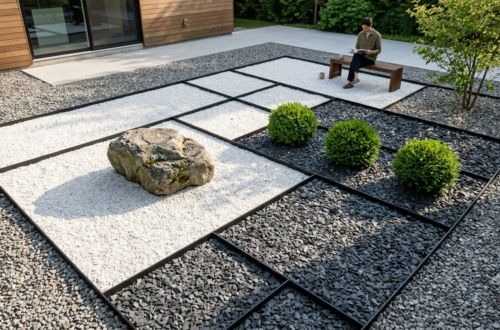
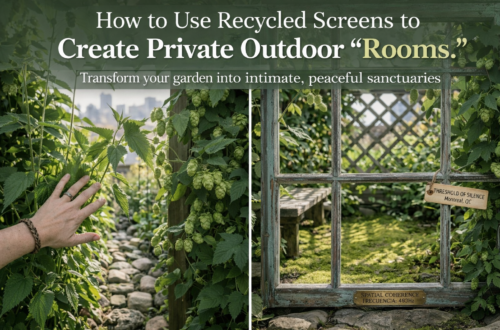
The concept of “open plan” living has dominated interior design for decades, but in recent years, we have seen a shift toward the “broken plan” layout. This trend has now climbed over the windowsill and firmly planted itself in our backyards. A broken plan garden doesn’t rely on solid walls or massive hedges to define space; instead, it uses subtle demarcations, levels, and—most importantly—screens to create a sense of discovery and privacy.
By using recycled screens, you not only embrace an eco-friendly lifestyle but also add a layer of texture and history to your outdoor space that off-the-shelf products simply cannot match. In this guide, we will explore how to master the broken plan garden and use salvaged materials to create your own private outdoor sanctuaries.
What is a “Broken Plan” Garden?
Unlike traditional gardens that are either one wide-open lawn or a series of strictly walled-off sections, a broken plan garden uses “soft” dividers. The goal is to keep the garden feeling spacious and airy while creating distinct zones for different activities: a sun-drenched corner for morning coffee, a shaded nook for reading, or a vibrant area for social dining.
The magic lies in the partial view. When you can see a glimpse of what lies behind a screen, it creates a psychological desire to explore, making even a small urban garden feel significantly larger.
The Power of Recycled Screens
Using recycled materials is the heartbeat of a soulful garden. Not only does it reduce waste, but salvaged items often come with a weathered patina that blends perfectly with nature. Here are five recycled screen ideas to get you started:
1. Reclaimed Wooden Pallets and Shutters
Old wooden shutters are perfect for creating a “shabby chic” or Mediterranean vibe. When hinged together, they form a freestanding screen that can be moved as the sun shifts. Pallets, on the other hand, can be stood on end and turned into vertical gardens. By planting succulents or herbs in the pallet gaps, you create a “living screen” that provides both privacy and fragrance.
2. Vintage Metal Gates and Bed Frames
Industrial materials like old wrought-iron gates or even the springs from a vintage bed frame offer a sturdy, sculptural element. These are ideal for climbing plants like clematis, jasmine, or ivy. Over time, the greenery will weave through the metal, creating a semi-transparent wall that filters light beautifully while blocking direct lines of sight.
3. Salvaged Windows and Corrugated Metal
For a more contemporary or “industrial” look, consider using old window frames (without the glass for safety, or with frosted acrylic). If you need total privacy, corrugated metal sheets salvaged from old barns provide a bold, textured backdrop that reflects heat and creates a cozy, enclosed feeling for a fire pit zone.
How to Design Your Outdoor “Rooms”
To successfully implement a broken plan, follow these three design principles:
- Define the Function: Before placing a screen, ask what the “room” is for. A dining area needs a screen that blocks the wind, while a meditation nook only needs a screen that blocks the neighbor’s window.
- Layer Your Heights: Don’t make all your screens the same height. Use a tall, recycled door for one corner and a low, woven branch fence for another. This variation mimics the natural layers of a forest.
- Create a Journey: Place your screens in a way that creates a “winding” path. If you can see the back fence from your back door, the garden feels small. If you have to walk around a beautiful recycled metal screen to find the seating area, you’ve created an experience.
Sustainability Meets Privacy
The broken plan garden is more than a design choice; it is an environmental statement. By choosing recycled screens, you are keeping materials out of landfills and providing habitats for local wildlife. Birds often use the nooks in pallet screens for nesting, and pollinators love the climbers that grow on your salvaged gates.
In a world that is increasingly crowded, creating a private sanctuary is essential for mental health. By using the “broken plan” philosophy and the charm of recycled materials, you can build a garden that is as functional as it is beautiful—a true extension of your home.