Food preservation is one of humanity’s oldest and most essential skills—a practice that connects us directly to the rhythms of nature and the abundance of the land. In a modern world dominated by industrial preservatives and pasteurization, lacto-fermentation emerges as a revolutionary technique for its simplicity and its immense health…
Latest Posts
-
-
The $0 Electricity Kitchen: Traditional Preservation Methods to Store Food Without a Fridge
In our modern “high-voltage” world, we’ve become dependent on the hum of the refrigerator to keep our food alive. But the fridge is a relatively recent invention. For millennia, humanity relied on passive “ancient hardware”—the physics of evaporation, the stability of the earth, and the protective power of salt—to preserve…
-
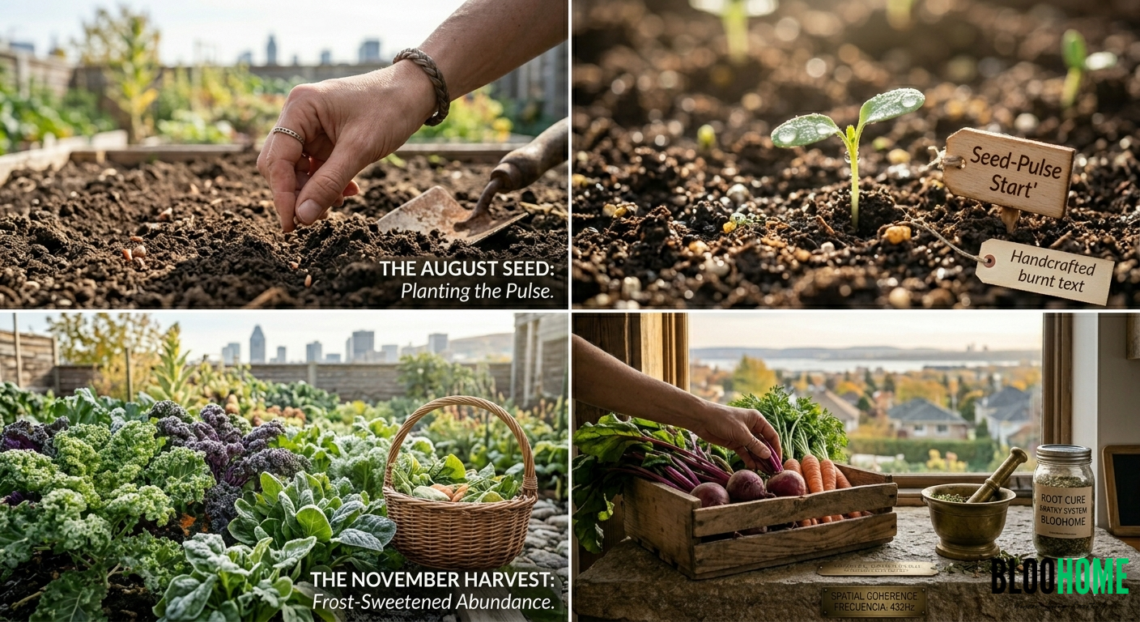
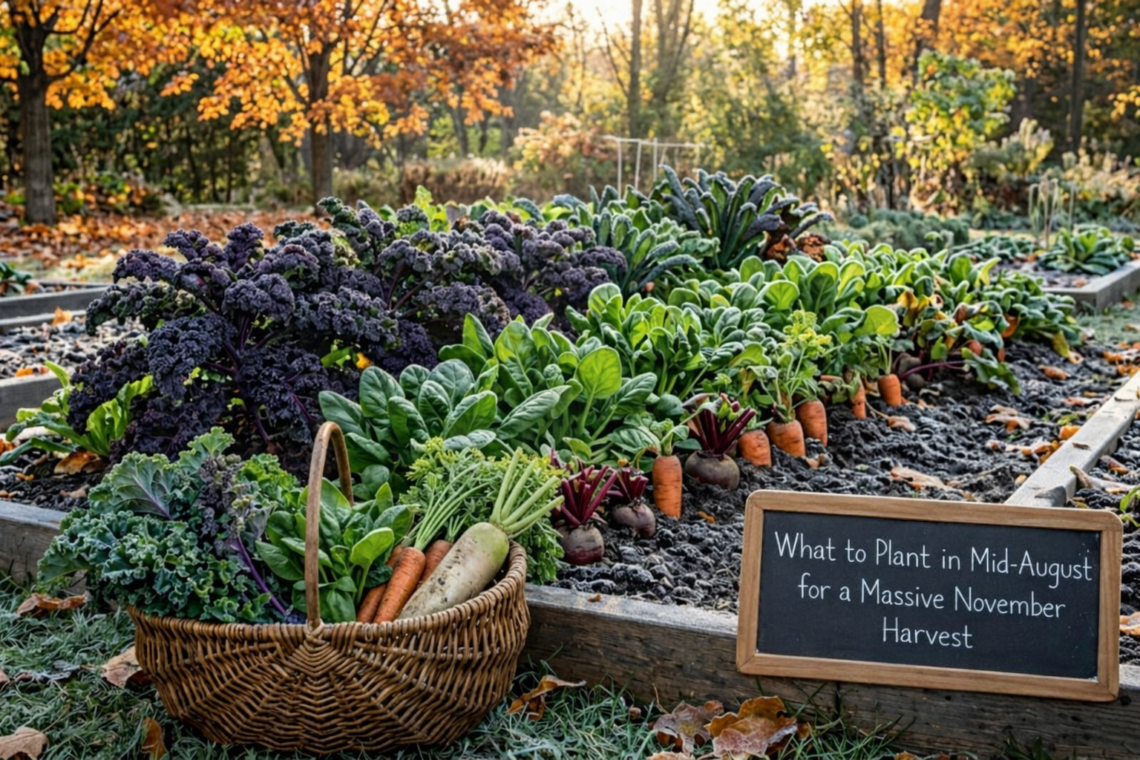
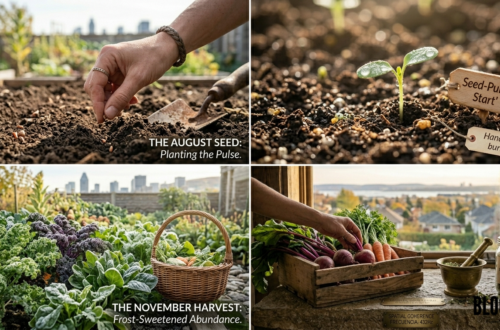
The “Second Spring”: What to Plant in Mid-August for a Massive November Harvest
While many gardeners see August as the beginning of the end, expert growers know it is actually the “Second Spring.” As the intense heat of July begins to break, a unique window opens. The soil is at its warmest “pulse” of the year, but the air is beginning to cool—creating…
-
Windowsill Hydroponics: Growing Gourmet Lettuce in Recycled Glass Jars Without Soil
If you think you need a massive backyard or expensive equipment to grow your own food, think again. Windowsill Hydroponics is the ultimate low-maintenance gardening method for the modern home. By removing the soil and using recycled glass, you create a clean, high-visibility system that allows you to monitor the…
-
The “Broken Plan” Garden: How to Use Recycled Screens to Create Private Outdoor “Rooms.”
For decades, the ideal garden design was an “open plan” landscape: vast expanses of lawn, seamless transitions, and a single, panoramic view. But as our lives become faster and more connected, we are beginning to reclaim the ancient value of privacy and introspection. The “Broken Plan” Garden is the evolutionary…
-
Beyond Rosemary: 5 Wild “Weeds” in Your Backyard That Are Secretly Powerful Medicine
Many gardeners spend hours pulling “weeds” from their beds, unaware that they are discarding some of the most potent biological medicine available. These plants are often “pioneer species”—resilient organisms designed by nature to repair the soil and provide concentrated nutrients to the local ecosystem. When we shift our perspective from…
-
From Waste to Wealth: How to Harvest “Liquid Gold” Worm Tea from a Simple DIY Worm Bin
In the circular economy of a sustainable garden, there is no such thing as “trash”—only displaced resources. One of the most potent transformations you can facilitate is turning kitchen scraps into “Liquid Gold.” Worm tea (the liquid byproduct of vermicomposting) is a concentrated biological stimulant. Unlike synthetic fertilizers that provide…
-
Lacto-Fermentation for Beginners: The No-Vinegar Way to Preserve Garden Vegetables for 6 Months
If you think of food preservation and immediately picture boiling pots of vinegar and complex pressure canners, lacto-fermentation will be a revelation. This is preservation in its most “ancient hardware” form: using only salt, water, and the beneficial bacteria already present on your garden vegetables to create a self-protecting, probiotic-rich…
-
The $0 Electricity Kitchen: Traditional Preservation Methods to Store Food Without a Fridge
In our modern “always-on” world, we have become tethered to the hum of the refrigerator. However, the fridge is a relatively recent invention that often masks the natural “frequencies” of our food, sometimes dulling flavors and degrading textures. A $0 Electricity Kitchen isn’t just about saving on your utility bill;…
-
The “Second Spring”: What to Plant in Mid-August for a Massive November Harvest
While most gardeners are winding down in mid-August, seasoned growers know that this is actually the beginning of the “Second Spring.” As the intense heat of summer begins to break, a unique window of opportunity opens. By planting specific crops now, you can leverage the warm soil temperatures to trigger…